
Which Disposal Bin Size Do You Need?
From 4-yard mini bins to 40-yard construction dumpsters, choosing the right size saves you money and prevents overflow. Use our visual guide to compare bin dimensions, capacity, and recommended project types, then click through to see real vendor pricing for each size in your city.
Quick Guide: Bin Size by Project Type
Home Cleanouts
4 to 14 yards
Garage, basement, attic, or estate cleanouts. Choose based on volume. Most household junk is lightweight, so tonnage is rarely an issue.
Renovations
10 to 20 yards
Kitchen, bathroom, or full-home renovations. Drywall, flooring, and fixtures add up quickly. A 14-yard bin handles most single-room renos.
Roofing & Siding
10 to 20 yards
Roofing shingles are heavy. A 10-square roof tear-off produces about 2.5 tons of debris. Choose a bin with a higher tonnage allowance.
Construction
20 to 40 yards
New builds, commercial demolitions, and large excavations. 40-yard dumpsters hold up to 12 pickup truck loads of construction debris.
Visual Bin Size Comparison
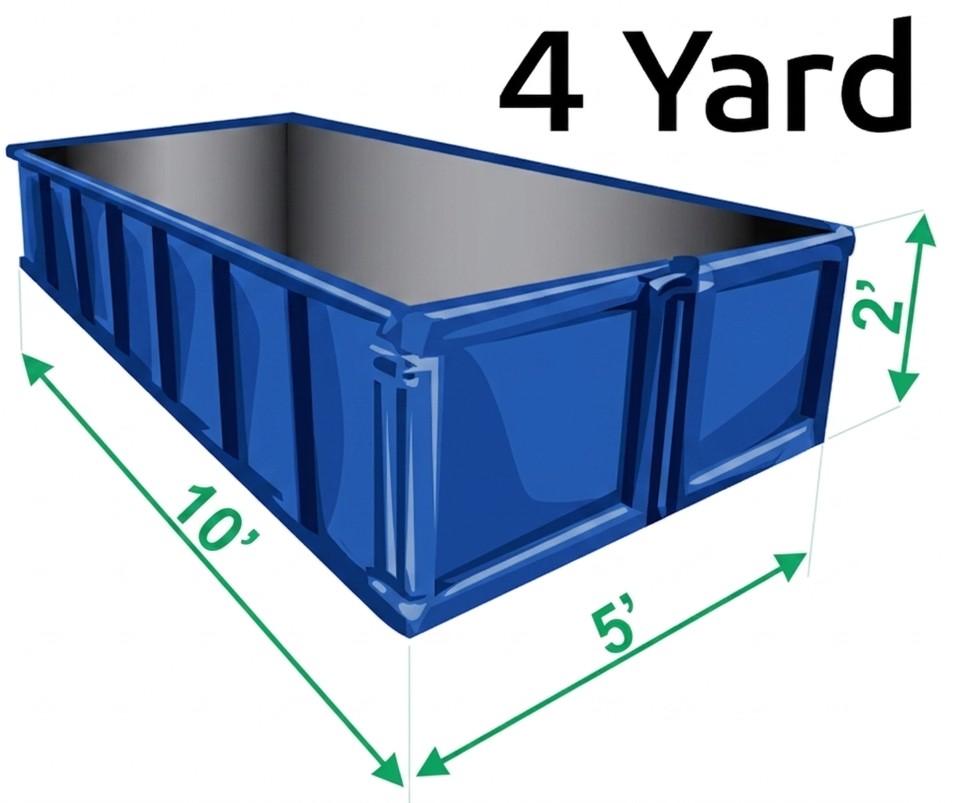
4-Yard Mini Bin
4 cubic yards
4-yard disposal bin dimension, compact spatial footprint needed for driveway-safe soil, brick, and heavy concrete fill projects.
- Small garage cleanouts
- Single-room decluttering
- Yard waste removal
- Tight driveway access
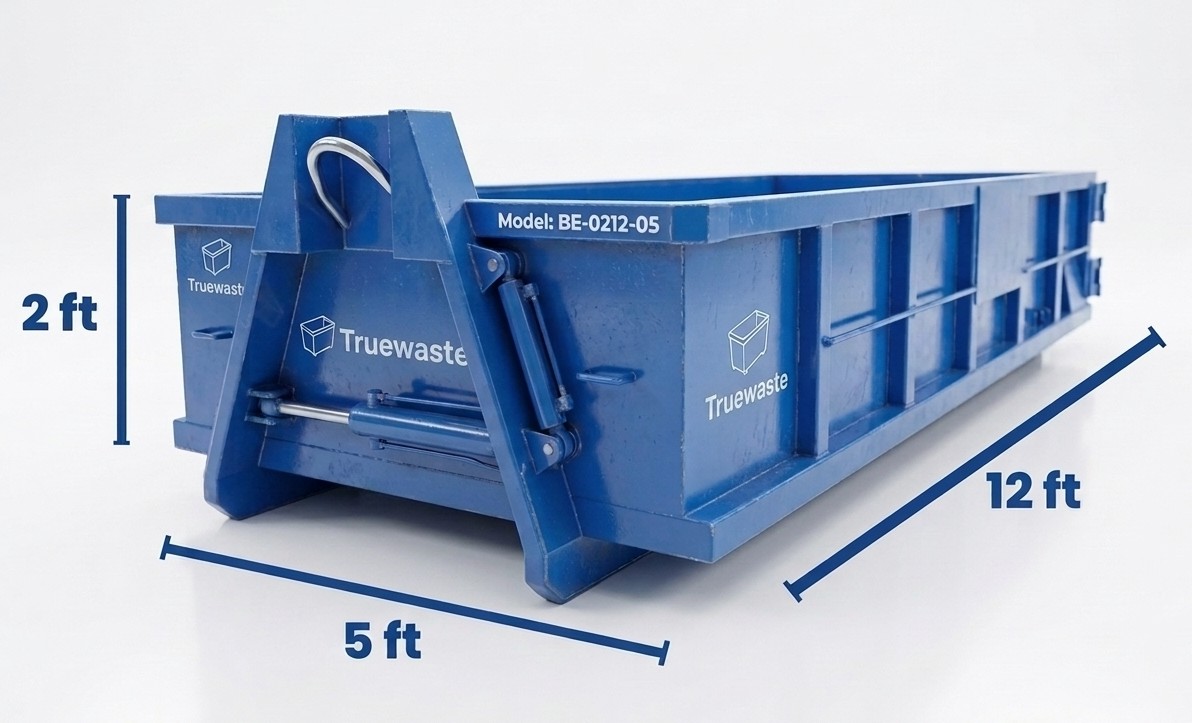
5-Yard Mini Bin
5 cubic yards
5 Yard Bin
- Garage cleanouts
- Single-room decluttering
- Small landscaping debris
- Minor renovation touch-ups
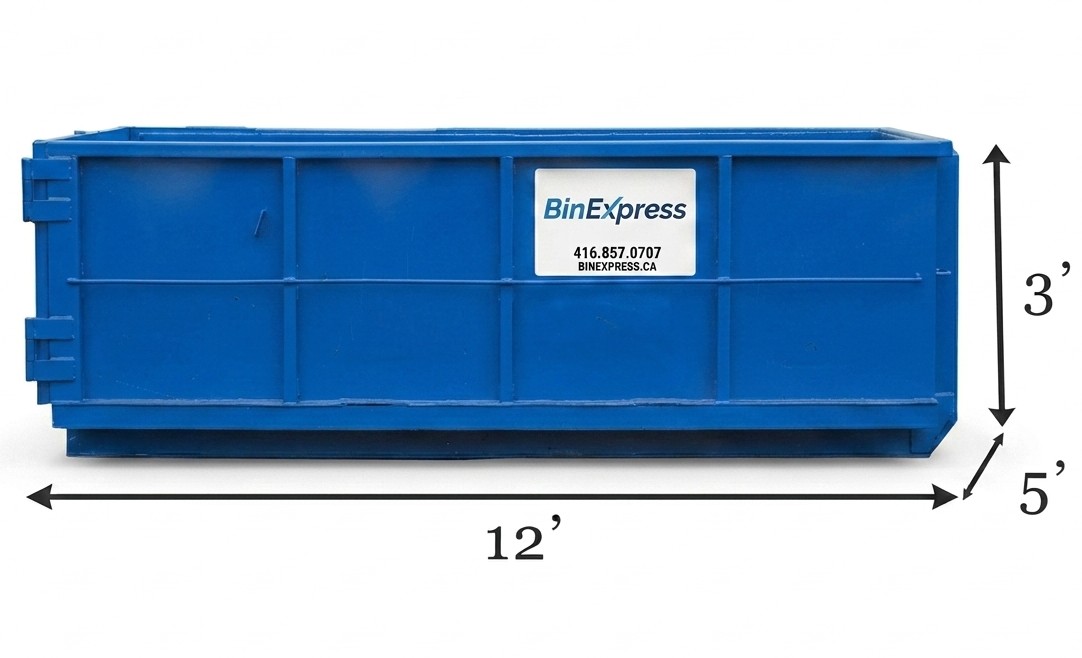
6-Yard Mini Bin
6 cubic yards
6 Yard Bin
- Small bathroom renovations
- Concrete or soil clean fill
- Yard cleanups
- Tight-access driveways
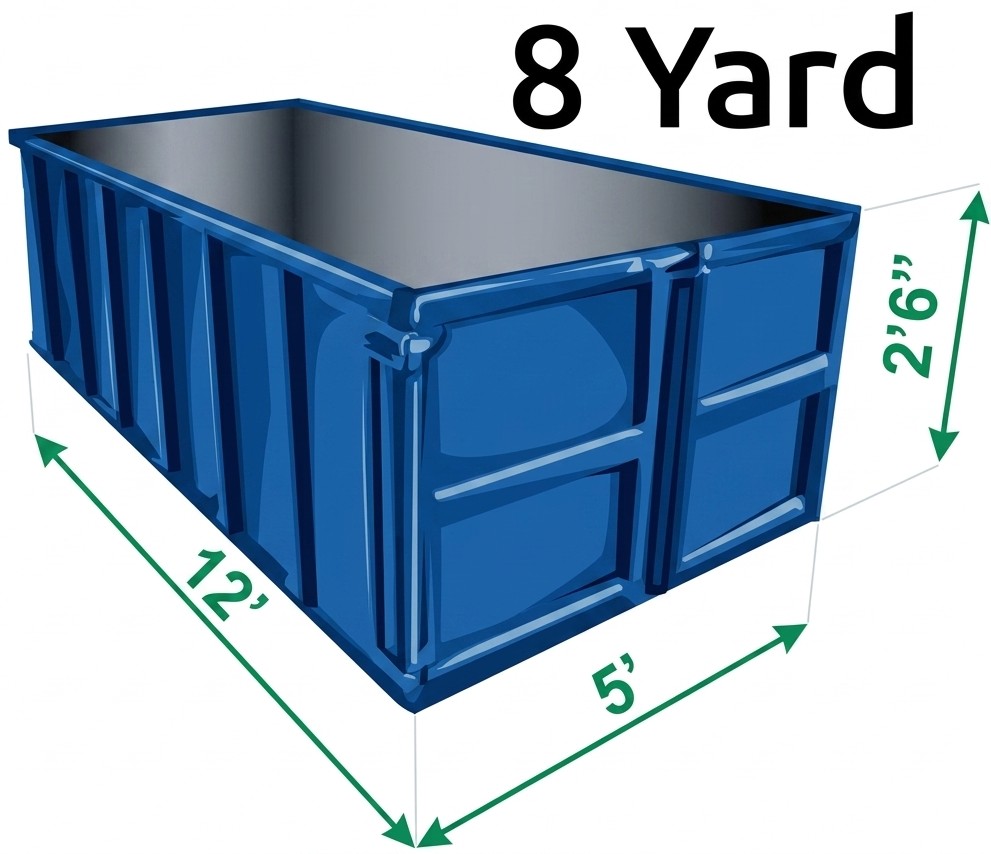
8-Yard Small Bin
8 cubic yards
8-yard disposal bin dimension
- Small cleanouts
- Single-room renovations
- Yard waste
- Driveway-friendly
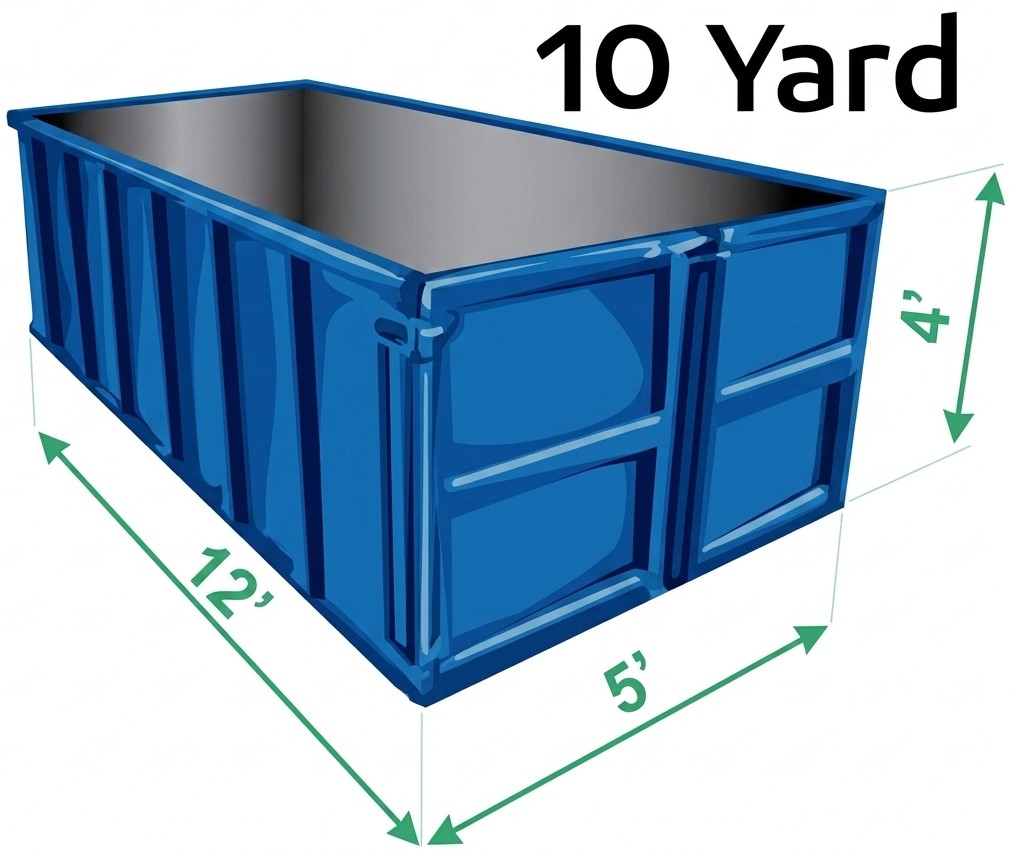
10-Yard Residential
10 cubic yards
10-yard disposal bin dimension
- Basement cleanouts
- Small bathroom renovations
- Single-room remodels
- Furniture disposal
11-Yard Residential
11 cubic yards
Mid-size residential bin; fits 3-4 pickup truck loads. Good for kitchen remodels and medium garage cleanouts.
- Kitchen remodels
- Medium garage cleanouts
- Cedar shingle roofs
- Furniture disposal
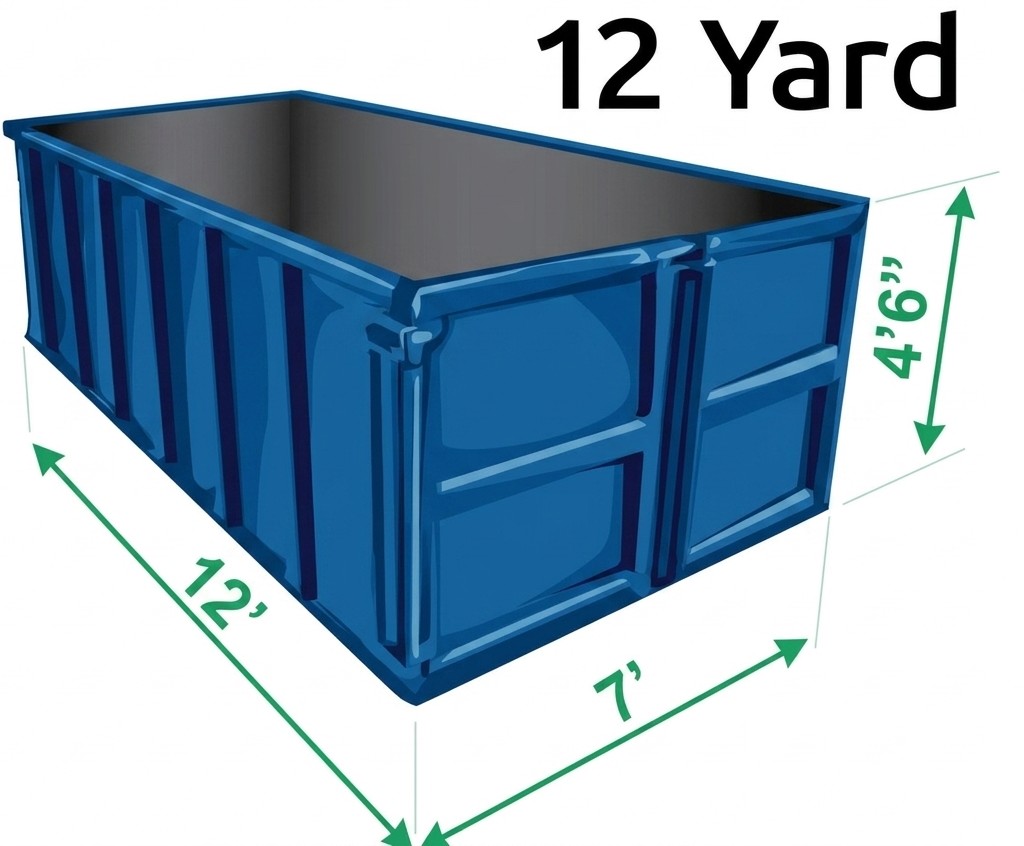
12-Yard Residential
12 cubic yards
12-yard disposal bin dimension
- Kitchen remodeling
- Medium garage cleanouts
- Cedar shingle roofs
- Single-room remodels
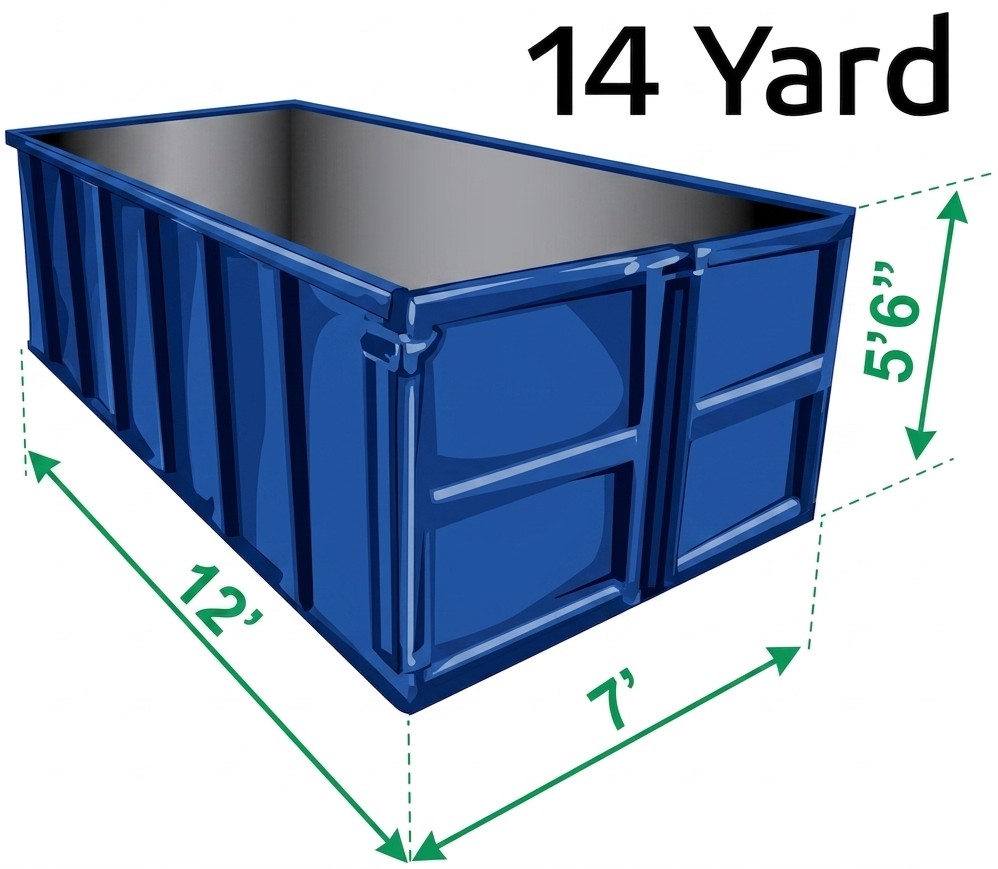
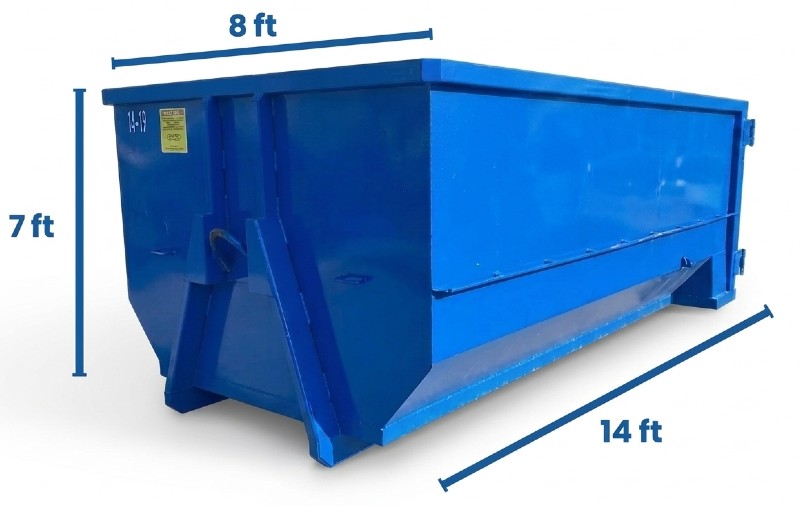
14-Yard Renovation
14 cubic yards
14-yard disposal bin dimension
- Kitchen renovations
- Flooring tear-outs
- Deck removal
- Medium cleanouts
15-Yard Renovation
15 cubic yards
Between the 14 and 20; fits 5-6 pickup truck loads. Suitable for large basement cleanouts and full flooring tear-outs.
- Large basement cleanouts
- Full flooring tear-outs
- Deck demolition
- Medium renovations
16-Yard Renovation
16 cubic yards
Slightly larger than the 15; fits about 5-6 pickup truck loads. A common size for multiple-room renovations and estate cleanouts.
- Multiple-room renovations
- Whole-house estate cleanouts
- Window replacements
- Large cleanouts
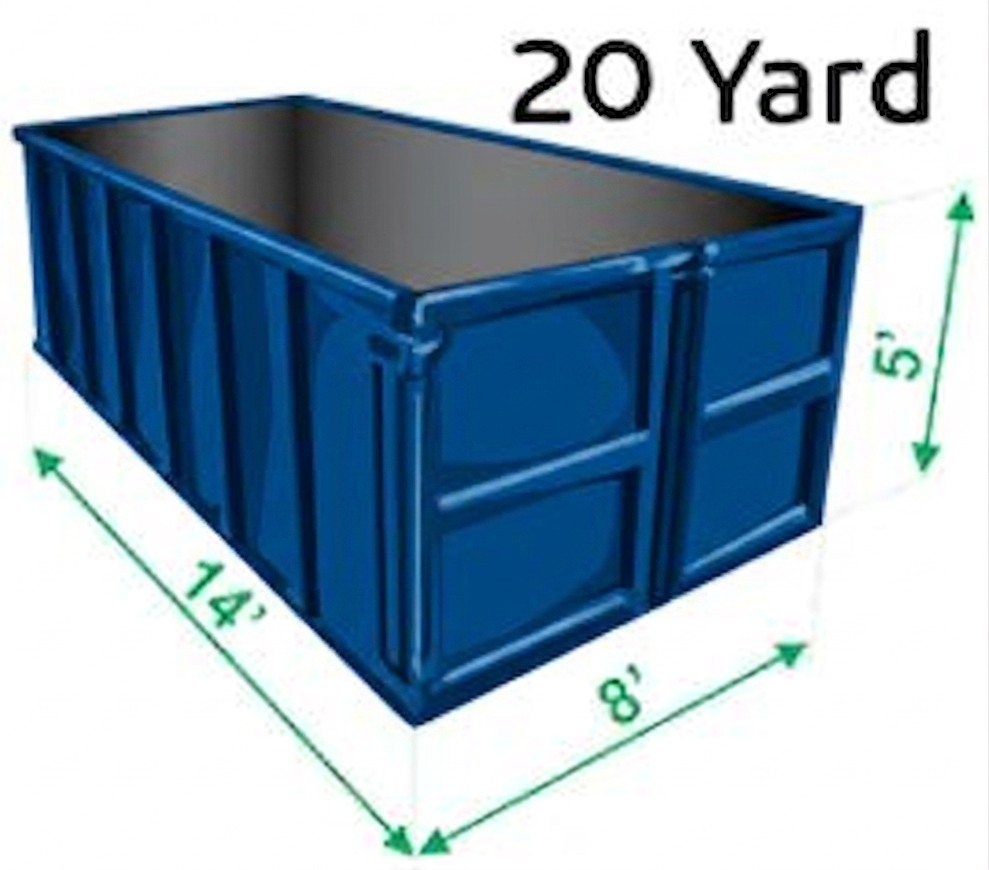
20-Yard Renovation
20 cubic yards
20-yard disposal bin dimension
- Bathroom renovations
- Large home cleanouts
- Roofing projects (up to 20 squares)
- Garage + basement combined
30-Yard Construction
30 cubic yards
30 Yard Bin
- Commercial construction
- Major structural demolition
- Restoration and flood jobs
- Large demolition
40-Yard Construction
40 cubic yards
Largest standard size; fits 12-16 pickup truck loads. Built for heavy construction debris and commercial job sites.
- Commercial construction
- Large demolition projects
- New home builds
- Major renovation waste
How to Choose the Right Dumpster Size
Choosing the right bin size is the single most impactful decision you will make when renting a dumpster. Too small, and you will need a second bin or risk overflow charges. Too large, and you are paying for capacity you do not use. The right size depends on two factors: the volume of debris and the weight of debris.
Volume: How much space will your debris take up?
A standard pickup truck bed holds about 2 cubic yards of loose debris or 1 cubic yard of compacted material. If you estimate your project will fill 3 pickup truck loads, you need a 10-yard bin. For 6 loads, choose a 20-yard bin. For 12 loads, a 40-yard dumpster. When in doubt, size up by one level. The cost difference between a 10-yard and 14-yard bin is typically only $50 to $75, while ordering a second bin costs full price.
Weight: What are you disposing of?
Weight matters as much as volume because landfills charge by the ton. Lightweight materials like furniture, clothing, packaging, and yard trimmings rarely exceed tonnage allowances. Heavy materials like concrete, soil, roofing shingles, tile, drywall, and brick can quickly push you over the included weight limit. For heavy debris, consider renting a smaller bin and filling it with only heavy materials, then a second bin for light waste. This keeps you within the weight allowance for each bin.
Space: Where will the bin sit?
Make sure the bin fits on your property. A 10-yard bin is about 12 feet long and fits in most driveways. A 20-yard bin is about 16 feet long and may extend past a standard driveway. A 40-yard dumpster is 22 feet long and typically requires street placement. If the bin must go on the road, check whether your city requires a street placement permit. Our bylaw guides have the details for each GTA municipality.
Not sure which size?
Answer three questions to get an instant size recommendation
Ready to compare prices?
See real vendor pricing for each bin size in your city